From The Archive
This page introduces a sample of materials from the José Gómez Sicre Visual Archive - correspondence, documents, photographs, and other visual records - that illustrate several of the core areas and themes the archive encompasses.
Many materials have yet to be fully identified, catalogued, or digitized, and new discoveries continue to emerge as the archive is studied in greater depth. As this ongoing process unfolds, additional items will be added and made available for viewing.
The selections on this page offer a glimpse into the richness and complexity of the archive, its artistic, cultural, and documentary significance. They serve as an invitation to understand the breadth of Gómez Sicre’s contributions and the enduring relevance of the materials he left behind.
As additional materials are identified and cataloged, this section will be updated to reflect the ongoing growth of the archive.
1940’s - 1980’s
Letters and Correspondence
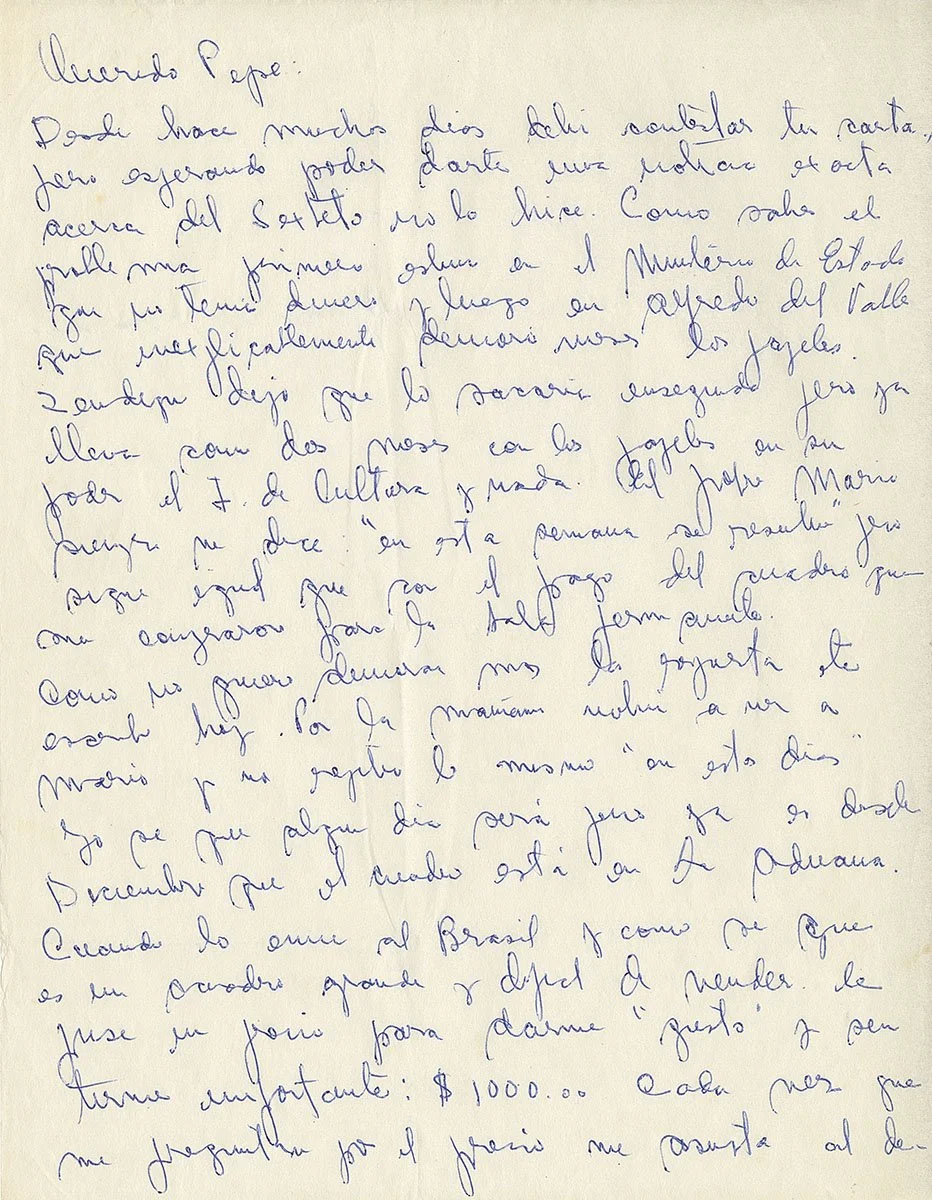
The José Gómez Sicre Visual Archive preserves a remarkable body of letters exchanged between Gómez Sicre and a wide circle of artists, writers, collectors, and cultural figures across the Americas. These correspondences offer an intimate view into the intellectual and artistic networks that shaped mid‑century modernism.
Among them are letters from Emilio Ballagas, Gastón Baquero, Alejo Carpentier, and Julio Girona—voices whose reflections, questions, and insights illuminate the cultural landscape of their time.
Equally significant is the extensive correspondence between Gómez Sicre and the painter Cundo Bermúdez, a lifelong exchange of mentorship, friendship, and professional collaboration that spans from the early 1940s until Gómez Sicre’s death in 1991. With approximately 125 letters preserved, this collection provides an unparalleled record of their shared history and the evolving artistic dialogues of the period.
1944
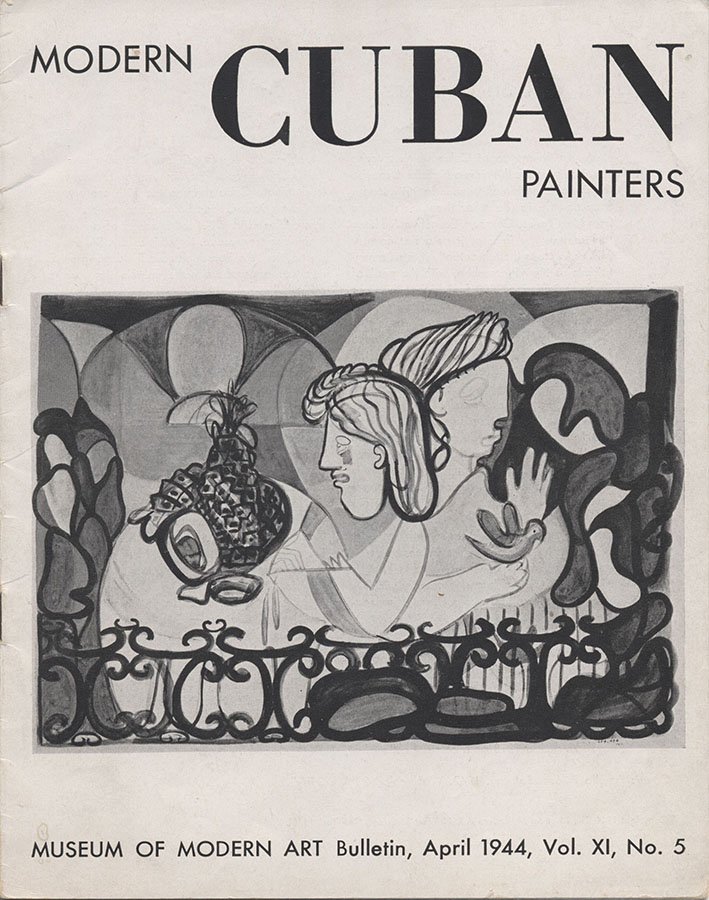
Exhibition: Modern Cuban Painters
Curators: Alfred H. Barr Jr. and José Gómez Sicre
Venue: Museum of Modern Art, New York, NY
Dates: March 17th – May 7th, 1944
Support: María Luisa Gómez Mena
The José Gómez Sicre Visual Archive preserves an exceptional group of materials related to the landmark 1944 Modern Cuban Painters exhibition at the Museum of Modern Art. Alongside the original MoMA brochure, the archive contains extensive correspondence between Alfred H. Barr Jr. and José Gómez Sicre that reveals the curatorial process in real time, discussions of artists, selections, loans, and the shaping of the exhibition’s narrative.
Itemized lists of works, shipping records, and internal notes provide a level of detail rarely available for exhibitions of this period. The archive also holds original installation photographs by Soichi Sunami, offering an authoritative visual record of how the exhibition was presented. Together, these materials not only illuminate the collaborative decisions behind the show but also help correct longstanding misconceptions, grounding the history of Modern Cuban Painters in verifiable primary sources.
1940’ - 1980’s
José Gómez Sicre’s Personal Scrapbooks
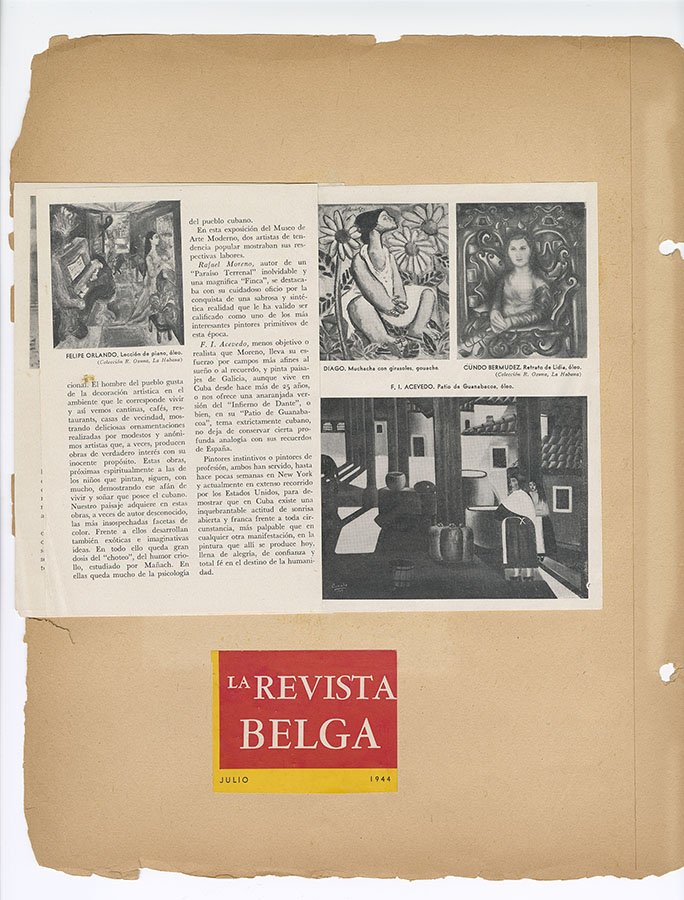
The personal scrapbooks of José Gómez Sicre are among the most revealing and invaluable components of the archive. Compiled meticulously over decades, these pages gather together articles, exhibition reviews, published texts, clippings, and images from the period, offering a firsthand record of the artistic and cultural conversations that shaped mid‑century Latin American modernism.
Far more than simple collections of press materials, the scrapbooks reflect Gómez Sicre’s own curatorial eye—what he chose to preserve, comment on, and revisit. Their pages contain an extraordinary density of information, documenting exhibitions, critical debates, and artistic networks with a level of detail rarely found elsewhere. These scrapbooks provide an essential window into the era, illuminating both the public narrative of modern art and the private reflections of one of its most influential advocates.
1940’s - 1980’s
Individual Materials on Specific Artists
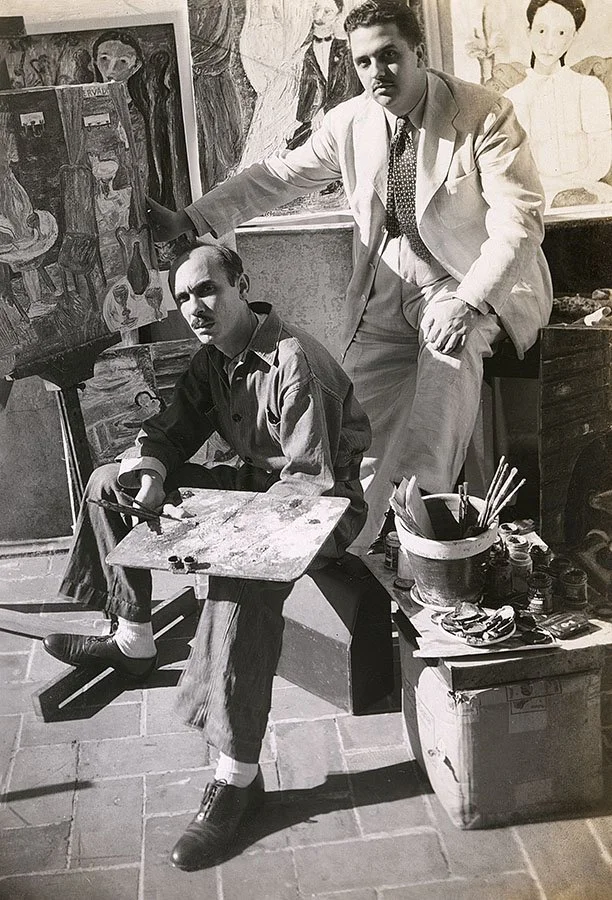
The José Gómez Sicre Visual Archive preserves an exceptional breadth of materials connected to the artists, writers, critics, and collectors with whom Gómez Sicre cultivated close personal and professional relationships. To date, the archive has identified materials for more than 179 individuals—some represented so extensively that they require dedicated binders, while others are organized within broader research files. Together, these holdings reveal the depth of Gómez Sicre’s networks and the pivotal role he played in shaping the cultural landscape of Cuban and Latin American modernism.
These holdings vary widely, from correspondence, photographs, and exhibition ephemera to rare vintage prints, manuscripts, and curatorial notes. The materials related to the photographer Julio Berestein, for example, include signed and unique vintage gelatin silver prints, exceptionally scarce today, along with the original brochure for his 1943 one‑person exhibition at the Lyceum in Havana, featuring an essay by Gómez Sicre.
In some cases, the archive also preserves itemized lists prepared by Gómez Sicre for Alfred H. Barr Jr. during the curatorial deliberations for MoMA’s Modern Cuban Painters exhibition. Together, these artist‑specific materials offer an irreplaceable window into the networks, collaborations, and cultural histories that shaped Cuban and Latin American modernism.
1954 - 1980’s
Materials on José Luis Cuevas
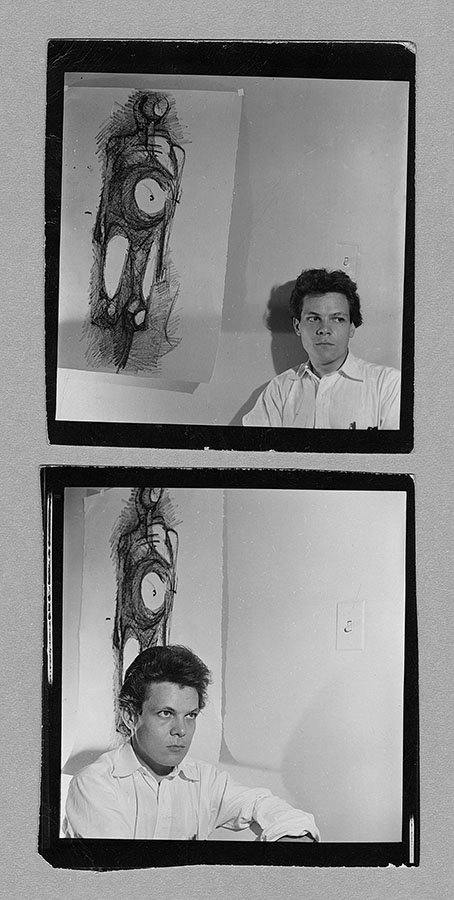
The archive preserves an extensive body of material related to the Mexican artist José Luis Cuevas, who first met José Gómez Sicre in 1954 at the age of twenty. Their early encounter developed into a long‑standing professional and personal relationship, reflected in the breadth of documents, photographs, and ephemera held in the collection.
The materials include rare images of Cuevas at work in his studio, photographs of exhibitions and museum visits, and visual records of his travels throughout the Americas. They also document his interactions with Cuban and Latin American artists of his generation, offering a vivid picture of the artistic networks and cultural exchanges that shaped mid‑century modernism. Together, these materials form an invaluable resource for understanding Cuevas’s development as an artist and the broader context in which his work emerged.
1930”s - 1970’s
José Gómez Sicre Personal Photography
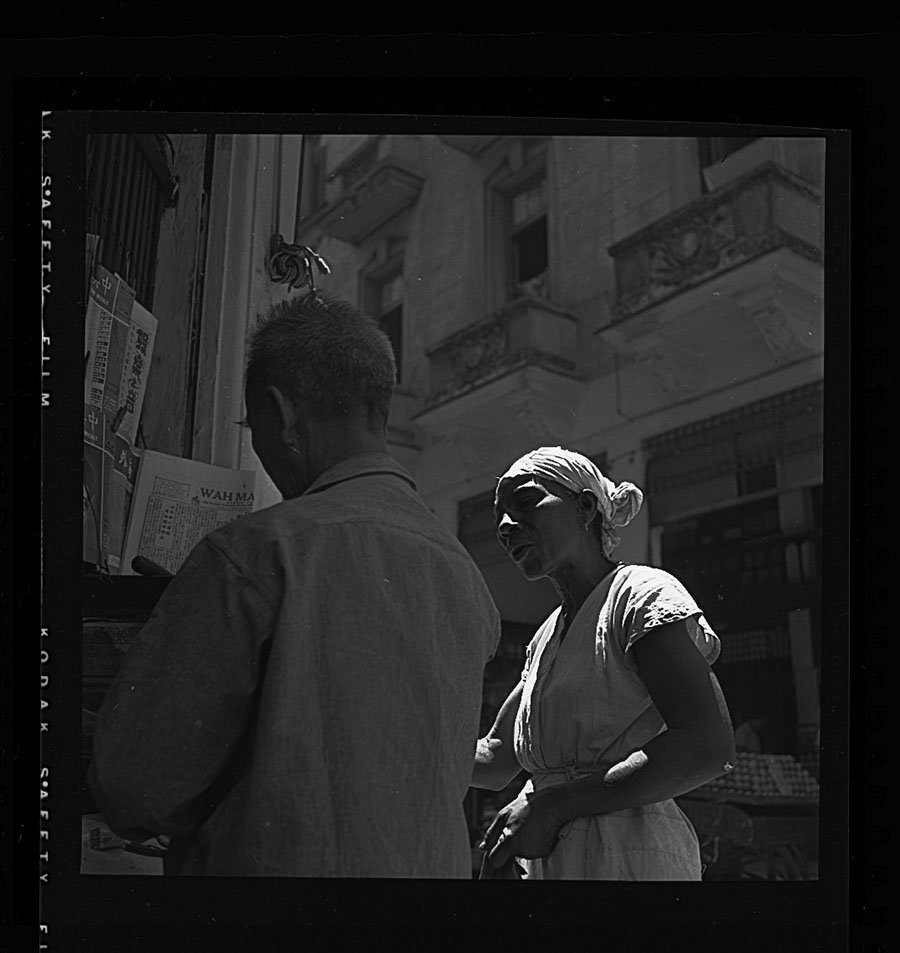
When I began working with the archive in 2003, one of the most striking discoveries was the sheer centrality of photography in José Gómez Sicre’s life. As I moved through the boxes, it became clear that the camera was not simply a tool he used — it was an extension of how he understood the world.
His photographs reveal a mind that observed with precision and intention, recording the people, places, and artistic circles that shaped modernism in the Americas. The archive holds thousands of prints, negatives, and transparencies that chart his movements through studios, museums, and cities, as well as the quieter, more intimate moments of his personal life. These images informed his writing, enriched his lectures, and guided his curatorial decisions, offering a visual record that is both documentary and deeply personal. Through them, we see not only the history he helped construct, but the way he saw.
1940”s - 1980’s
European and American Artists
The José Gómez Sicre Visual Archive also preserves remarkable documentation of Gómez Sicre’s encounters with some of the most influential European and American artists of the twentieth century — figures whose work reshaped the course of modern art.
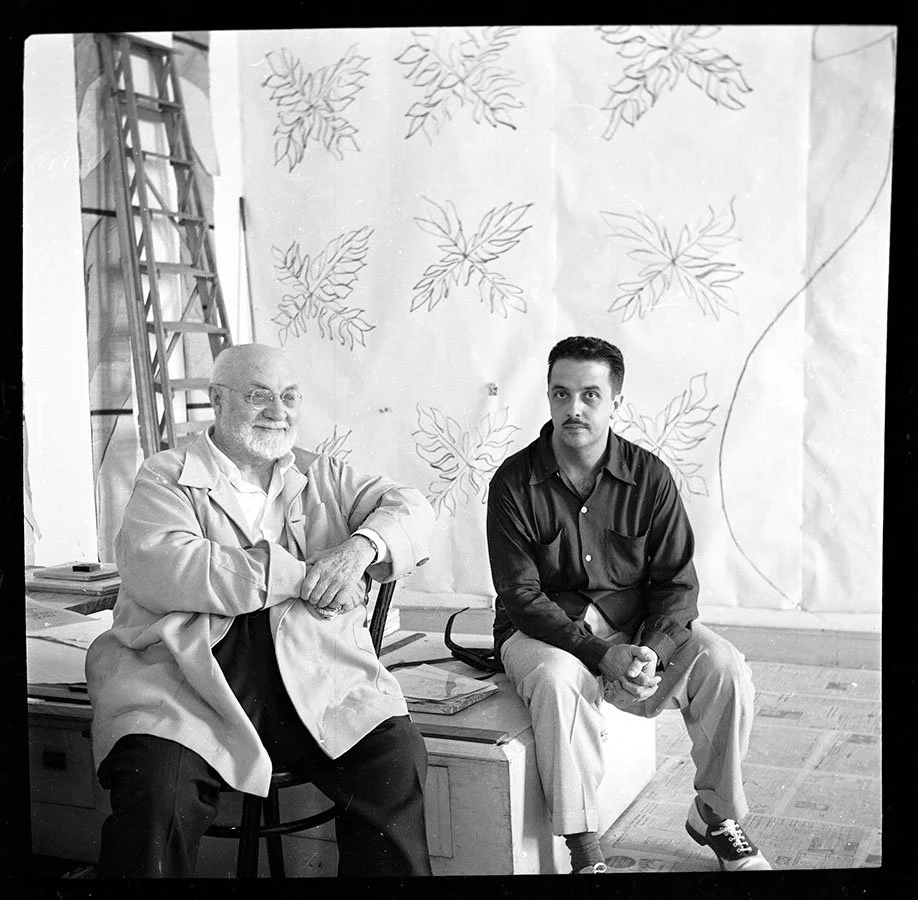
Throughout his travels, Gómez Sicre visited these artists in their studios, forging lasting personal and professional relationships that are vividly recorded in the archive. The collection preserves not only the prints he shared publicly, but also the original negatives he exposed during these visits, offering an unmediated record of the moments he witnessed.
Artists such as Alexander Calder, Alberto Giacometti, Marino Marini, Henri Matisse, Joan Miró, Henry Moore, Giorgio Morandi, Pablo Picasso, and Victor Vasarely, among many others, appear in these negatives, in photographs, in brochures, and in other materials that capture the immediacy of their working environments and the intimacy of their conversations. Together, these materials offer rare, firsthand insight into the creative worlds of artists who defined their generation, while illuminating Gómez Sicre’s unique position within an international network of modernism.
1940’s
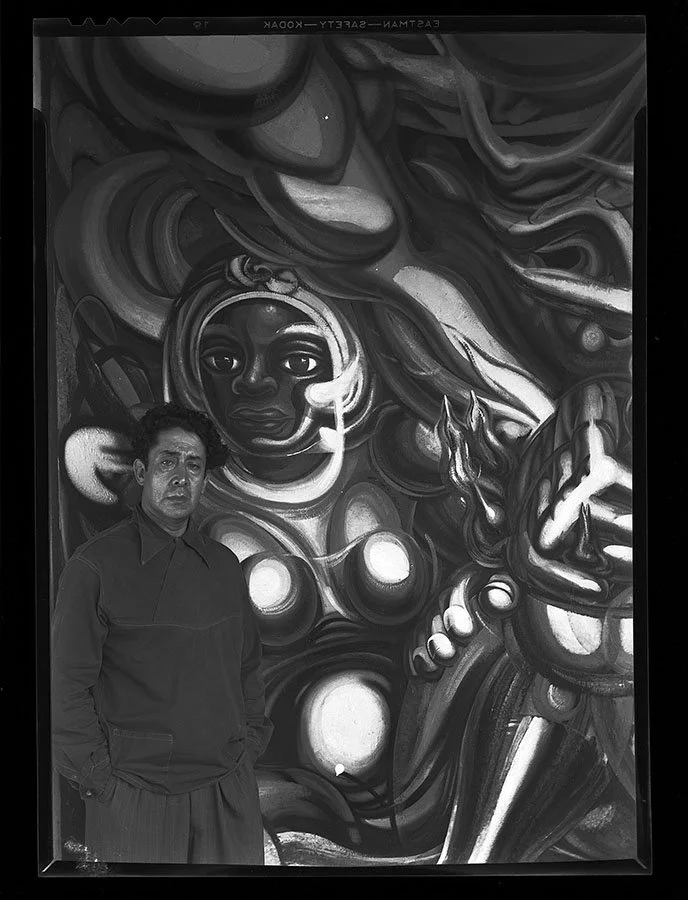
5 × 7 inches Black and White Negatives - Documenting Artworks from the Pintura Cubana de Hoy Publication and David Alfaro Siqueiros Mural ‘Alegoría de la Igualdad y Confraternidad de las Razas Blanca y Negra en Cuba’ from 1943.
Among the most exceptional materials preserved in the archive are a group of 5 × 7 inches black and white negatives documenting key works of Cuban modernism. These include high‑quality images produced for the publication Pintura Cubana de Hoy, as well as rare photographic documentation of David Alfaro Siqueiros’s 1943 mural Alegoría de la Igualdad y Confraternidad de las Razas Blanca y Negra en Cuba, created for the home of María Luisa Gómez Mena and Mario Carreño.
The clarity, scale, and technical precision of these negatives - likely taken by the photographer Julio Berestein - make them invaluable records of artworks and spaces that, in some cases, no longer exist in their original form.
Their preservation within the archive offers scholars and researchers an extraordinary visual resource, capturing details and contexts that deepen our understanding of this pivotal moment in Cuban and Latin American art history.